Buyer's Guide
Is a Beginner Airbrush Kit Worth It for Miniatures?
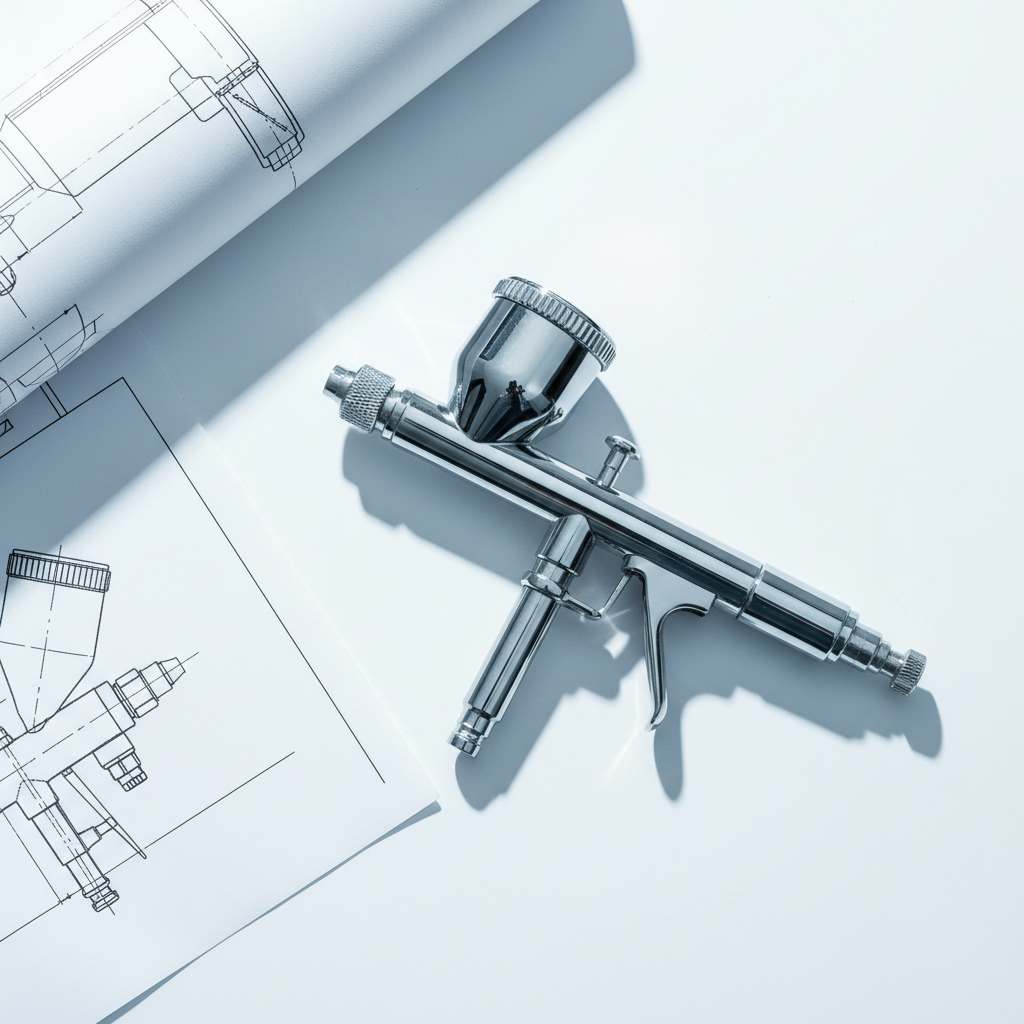
If you're shopping for a beginner airbrush kit to use on miniatures or scale models, the honest answer is: it depends on what's inside the box. This guide breaks down what a genuinely useful beginner kit should include and which specifications matter for small-scale work.
What Should Be in a Beginner Airbrush Kit
Most entry-level kits bundle four core things: the airbrush, an air hose, an air source, and some cleaning accessories. Here is what a kit suited for miniature painting should provide.
The Airbrush
For miniatures, you want a gravity-feed, dual-action airbrush. Gravity-feed avoids wasting expensive paint, while dual-action triggers provide the precision required for fine detail work.
The Air Hose
Ensure thread compatibility between your airbrush and compressor. A 1/8-inch BSP fitting is common; always verify the hose fittings match your specific gear before assuming compatibility.
The Air Source
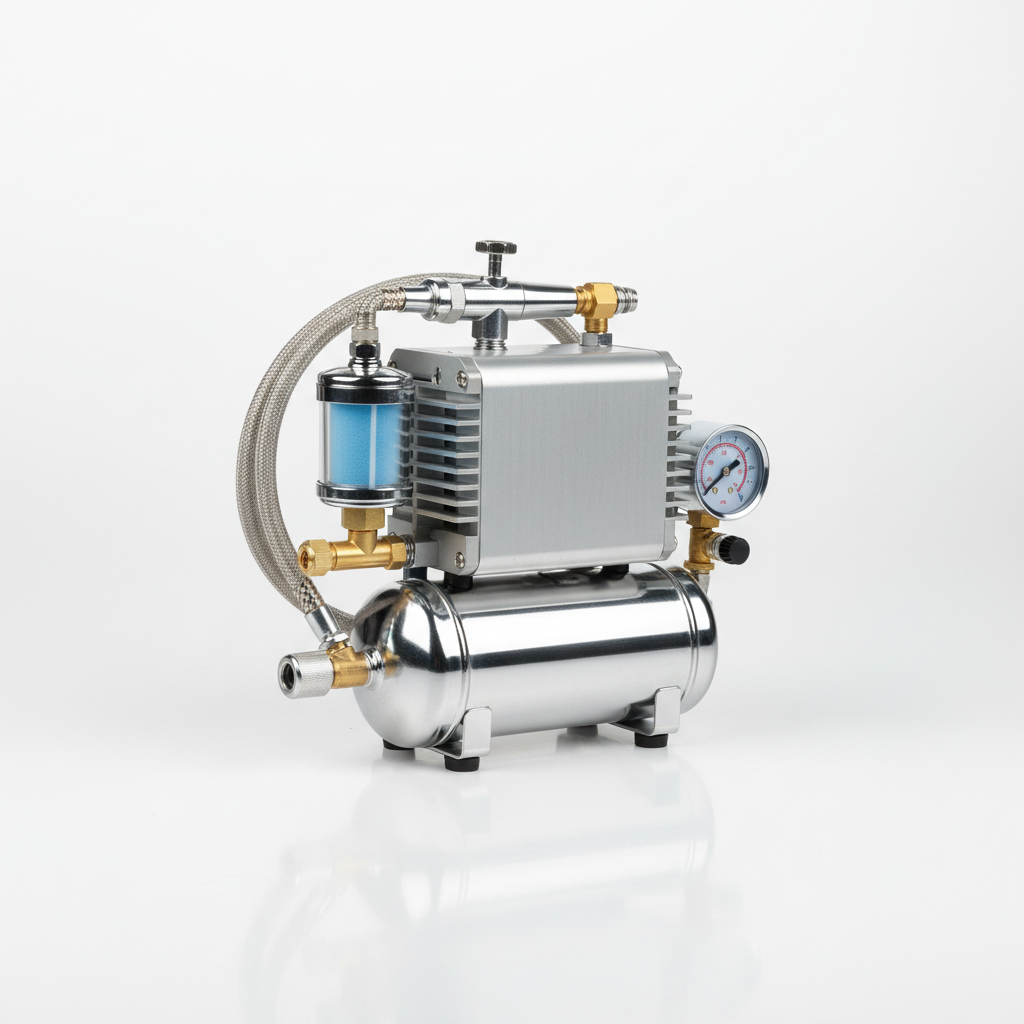
Avoid propellant cans. A dedicated mini compressor with a small air tank and moisture trap is the right choice to smooth out pressure fluctuations and prevent water spitting.
Cleaning Accessories
An airbrush cleaning pot and dedicated cleaner are essentials. Cleaning discipline is the single biggest factor in maintaining your airbrush in good working condition.
Nozzle Size Is the Number That Matters
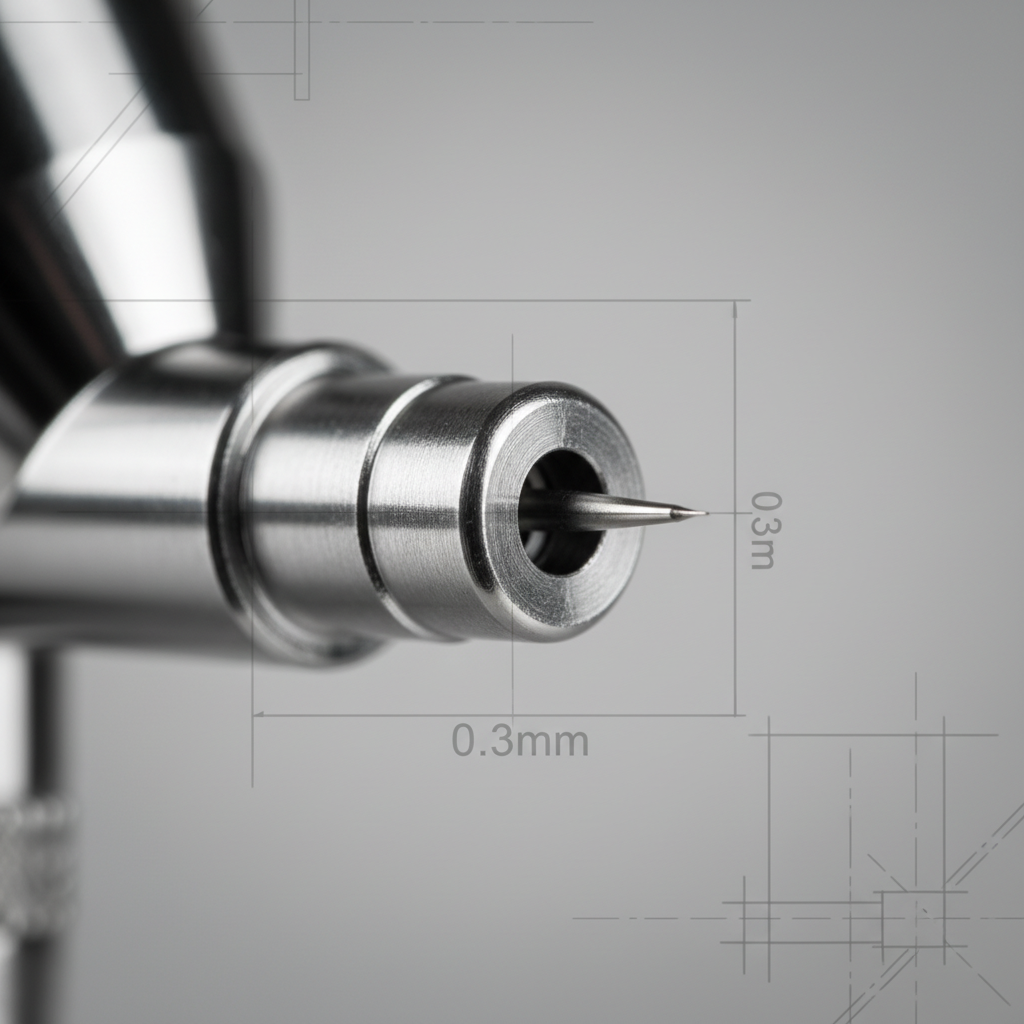
Many budget starter kits come with a 0.5mm nozzle, which is adequate for terrain but too large for miniature painting. For fine lines and smooth gradients, look for a 0.2mm or 0.3mm nozzle.
A 0.3mm nozzle is the most practical starting point: fine enough for edge highlights yet forgiving enough to handle varying paint consistencies without constant clogging.
Should You Buy a Kit or Put Together Your Own Setup?
A bundled kit offers matched components and zero guesswork, which is invaluable for beginners. However, the downside is that many cheap kits include weak compressors or over-sized nozzles.
If a kit features a gravity-feed, dual-action airbrush with a 0.3mm nozzle and a tanked compressor, it is a great value. Otherwise, you may be better off purchasing high-quality components separately to avoid paying twice.
Signs a Kit Isn't Built for Miniature Painting
Warning 01
Single-action airbrush only
You cannot control paint flow independently, making smooth blends nearly impossible on small surfaces.
Warning 02
No moisture trap on the compressor
Water droplets will spit into your paint at the worst moments, ruining your finish.
Warning 03
Nozzle 0.4mm or larger
You will lose the fine detail control that miniature painting demands for small-scale models.
Warning 04
Proprietary thread fittings
Locks you into one brand's accessories and makes replacing a worn hose unnecessarily complicated.
Limited Resource
Go Deeper with The Miniature Painting Level Up Guide
Move beyond the basics with sections dedicated to airbrushing as part of a complete workflow. Covers everything from primer selection to advanced highlight techniques.
Get Your Copy Today!Keep Reading
Every supply category covered, including where airbrushes fit into the broader setup.
A focused look at choosing a compressor for hobby airbrushing.
How to prepare and thin acrylic paint for airbrushing and brush work.
If you are budgeting a first setup, use our Miniature Painting Cost Calculator to estimate your total startup costs.
Frequently Asked Questions
Is a beginner airbrush kit worth buying for miniature painting?
It depends on the kit. A kit that includes a gravity-feed, dual-action airbrush with a 0.3mm or smaller nozzle and a compressor with a tank and moisture trap is genuinely good value.
What nozzle size do I need for painting miniatures?
A 0.2mm or 0.3mm nozzle is the practical range. 0.3mm is the best starting point for smooth blends and basecoats without constant clogging.
Do I need a compressor, or can I use a propellant can?
A propellant can works for a quick test, but it's not practical long-term. A small dedicated compressor with a tank is the right answer for regular use.
What cleaning supplies do I need?
An airbrush cleaning pot and a bottle of dedicated airbrush cleaner are the two essentials to keep your tool working well.