How to Choose a Miniature Painting Brush
The brush is the last thing between your intention and the miniature. Don't let the wrong tool or poor maintenance ruin your hard work.
The Brush Matters More Than Beginners Expect
You can thin your paint perfectly and still drag a bad brush across a highlight and ruin the edge. Most people underspend on their brushes, buy the wrong type, or let them die prematurely in a cup of water. This guide covers the three brushes worth having, how bristle material affects performance, and the daily care routine that keeps a good brush sharp for months.
Three Brushes That Cover Most of Miniature Painting
Round Detail Brush
Role: Precision & Versatility
The workhorse of miniature painting. Handles base coats, layering, and fine line work. A size 1 or 2 is ideal for standard 28mm miniatures.
Dry Brush (Flat or Fan)
Role: Rapid Highlighting
Used with almost-dry paint to catch edge highlights quickly. One of the fastest ways to add depth without complex glazing.
Large Basecoat Brush
Role: Bulk Material Coverage
A size 5–8 brush for priming and laying down large flat areas. Synthetic bristles are perfect for these heavy-duty tasks.
Kolinsky Sable vs. Synthetic: The Practical Split
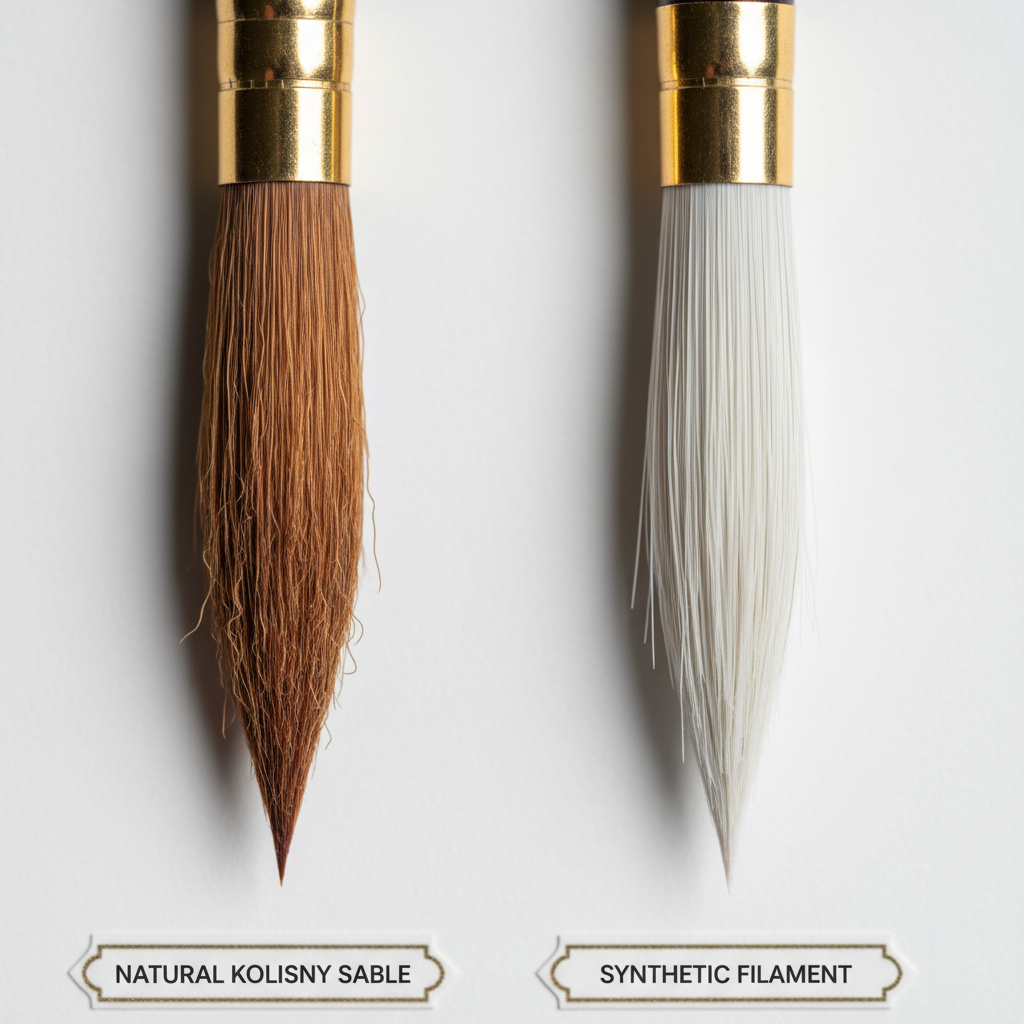
Natural hair (Kolinsky sable)
The gold standard for detail. It holds more paint in the belly and releases it consistently, giving you more control. Brands like Raphael 8404 and Rosemary & Co Series 33 are community favorites.
Synthetic brushes
Stiffer and hold less paint, but durable and cost-effective. Use them for dry brushing, priming, and applying washes to save your natural-hair brushes for precision work.
Brush Size: What the Numbers Actually Mean
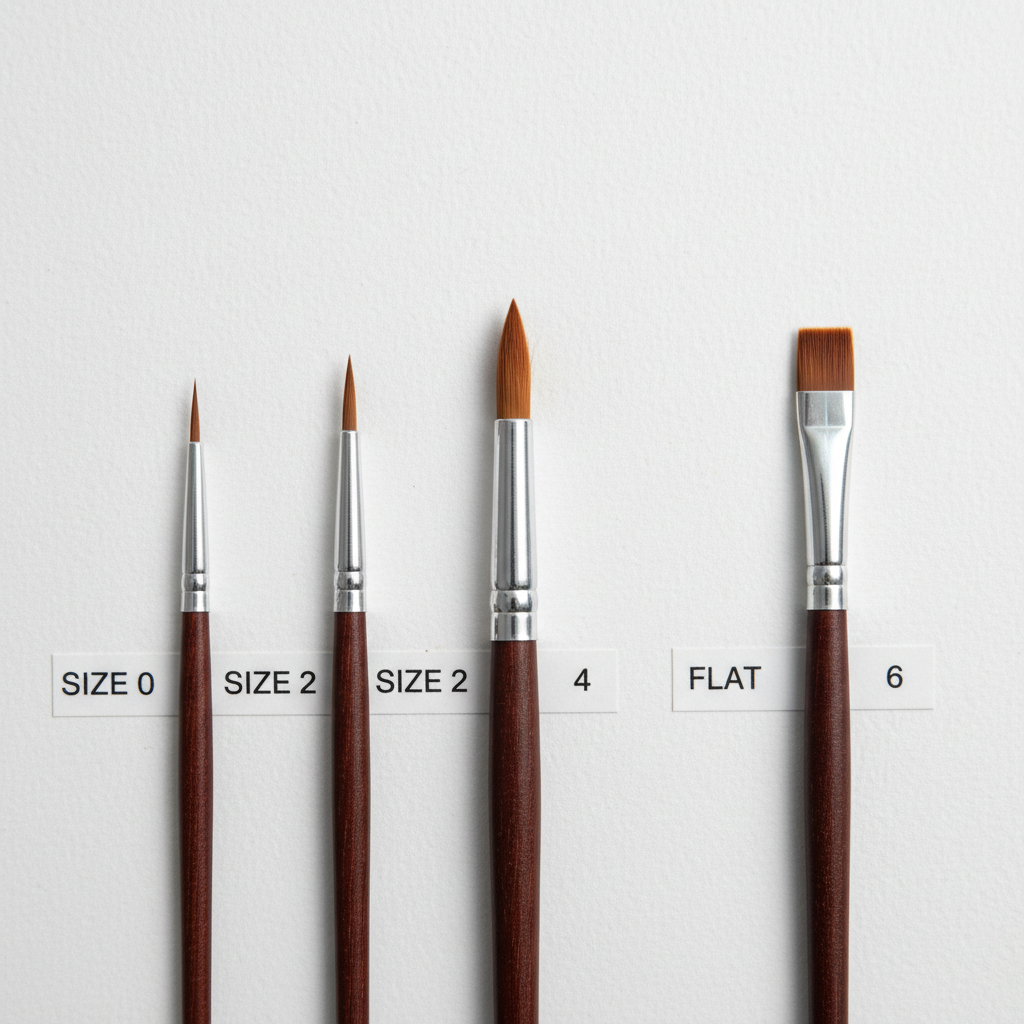
Size numbers aren't standardized, but here is a general guide for a 28mm miniature setup:
- 01Size 0 or 1 Round: For faces and pupils. Easy to overuse; many prefer a size 2 for better paint flow.
- 02Size 2 Round: The single most useful size. Covers base coats, blending, and most detail work.
- 03Size 3–4 Round: For large surfaces like cloaks or terrain.
- 04Flat/Fan Size 4–6: Dedicated for dry brushing.
How to Keep a Good Brush Good
Most 'bad' brushes are actually victims of poor care. The investment is preserved through routine.
During your session
Rinse frequently to prevent paint drying near the ferrule, which causes splaying. Never store a wet brush tip-down.
After your session
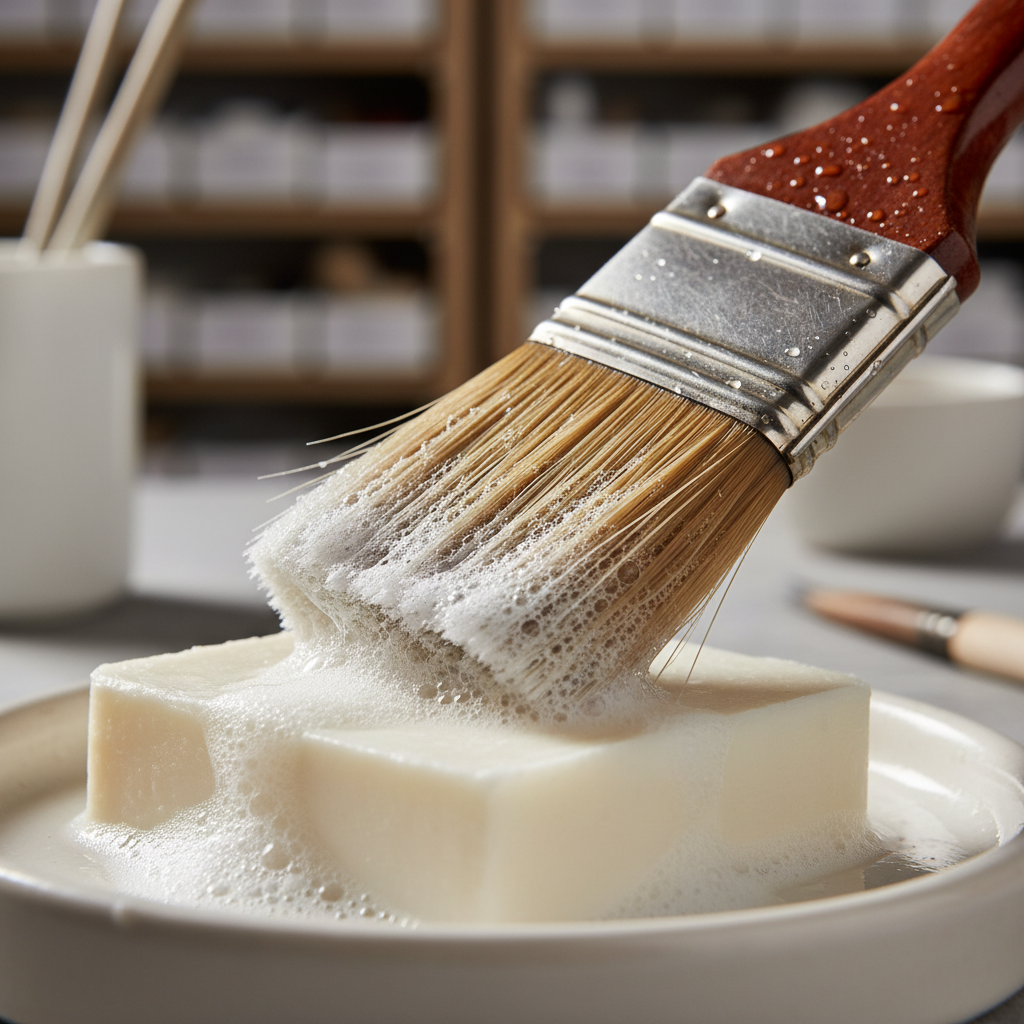
Clean with dedicated brush soap. Work the soap from base to tip, rinse, and reshape the tip with your fingers while damp. Store flat or tip-up.
Common Questions
What's the best brush size for painting miniatures?
Size 2 is the most versatile starting point. It holds enough paint to work smoothly while maintaining a fine point.
Are synthetic brushes good enough?
Yes, for basecoating and messy tasks. For fine detail, a Kolinsky sable brush offers noticeably better control.
How long should a brush last?
With proper cleaning and storage, a quality detail brush can last many months. Dry brushing and metallics will wear them out faster.
When should I replace my brush?
When it splits at the tip, develops a permanent hook, or can no longer hold paint in the belly.
Ready to Set Up Your Full Painting Kit?
Check out our full miniature painting supplies guide for everything from primers to lighting. Expert-curated gear lists for every budget.