Miniatures Wargaming: What It Is and How to Start Your First Game
Miniatures wargaming is a type of tabletop game where players command armies—or small warbands—made up of detailed miniature figurines placed on a model battlefield. It's part strategy game, part model-building hobby, and often part painting project. This guide covers what the hobby actually involves, how to choose a style of game that fits you, and the minimum you need to get a game on the table.
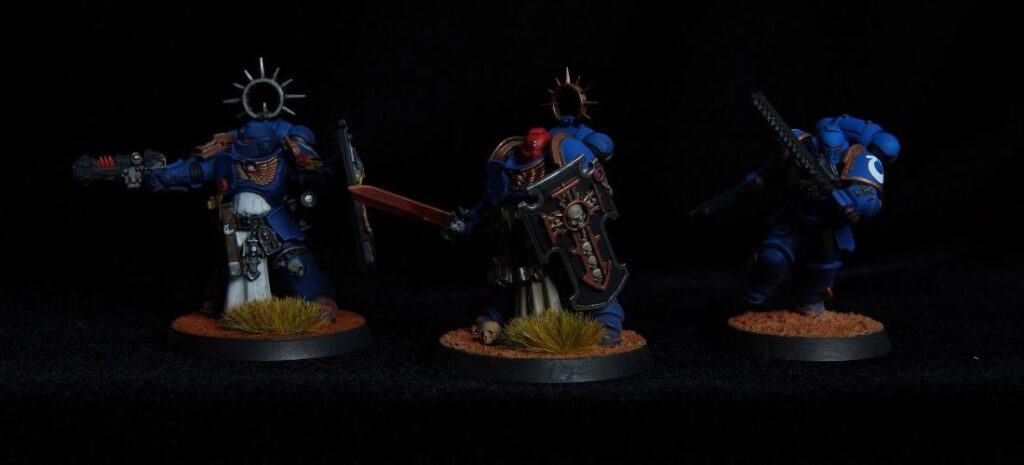
The Three Parts of Miniatures Wargaming
Most people stumble into miniatures wargaming through one of three doors—and it helps to know which one you came through, because they lead to very different first purchases.
The game side.
This is the core: two players set up terrain, deploy their miniatures, and play out a battle using a rulebook. If competitive play, tactics, and strategy appeal to you, start here.
The building side.
Most kits come as unassembled plastic sprues. You clip out the parts, trim the mold lines, and glue the pieces together. If you enjoy model-building as a craft, this part of the hobby is its own reward.
The painting side.
After assembly, painters prime and paint their models with acrylics. A painted force looks dramatically better on the table, and the painting itself is a separate, meditative hobby. You do not need a painted army to play your first game.
Finding the Right Style of Game
What You Actually Need to Get a Game on the Table
The list is shorter than the hobby store shelves suggest. Here's what you genuinely need for a first game, separated from what's nice to have later.
A starter set or two-player box
Includes two small forces, an abridged rulebook, and everything needed to play. The fastest way to go from 'interested' to 'playing'.
A rulebook
Usually included in starter sets. Many publishers also offer free condensed rules PDFs on their websites.
Dice
Most games use standard six-sided dice; some systems use custom dice provided in the starter box.
A measuring tape or ruler
Movement and range are measured in inches in most tabletop miniatures games. A basic tape measure works perfectly.
A playing surface and terrain
Any flat table works. Cardboard boxes, stacked books, and household objects fill in as terrain for a first game.
An opponent
A friend willing to learn alongside you is the single biggest predictor of whether you'll stick with the hobby.
Not sure what your starter kit will run you? Use our Miniature Painting Cost Calculator to get a rough sense of initial investment.
Where to Find Other Miniatures Wargamers
The hardest part of starting miniatures wargaming isn't learning the rules—it's finding people to play with.
Local Game Stores
Friendly Local Game Stores (FLGS) are the heart of the community. Most run regular game nights, painting sessions, and demo events. The regulars are almost always glad to teach.
Clubs & Groups
Search for '[your city] wargaming club' on Facebook or Meetup. Many groups meet weekly in community centers or dedicated halls.
Online Communities
Subreddits like r/Warhammer40k or r/wargaming are massive, active, and very welcoming to beginners looking for advice or local connections.
Hobby Shops
Board game cafés and specialized hobby shops often host open gaming tables. It's always worth a visit to see their event calendar.
When You're Ready to Pick Up a Brush
You don't need to paint to play your first game, but once you've assembled your first kit, the painting hobby often becomes the part people love most. It uses acrylic paints applied in thin layers.
CONTINUE YOUR JOURNEY:
The Miniature Painting Level Up Guide
A 60+ page guide to miniature painting for beginners—from first prime coat through highlights and shading, with the specific paints, brushes, and techniques worth your time.
Master the basics in one afternoon.
Common Questions About Miniatures Wargaming
Do I need to paint my miniatures to play?
No. Most tabletop miniatures games are played with unpainted or partially painted models, especially at the beginner stage. Paint when you're ready—or not at all.
How much does it cost to get started?
A two-player starter box typically covers everything you need for a first game. Beyond that, the hobby scales as far as you want based on your own self-control.
What's the difference between a skirmish game and an army-scale wargame?
Skirmish games use small forces (5-30 models) and play faster. Army-scale games involve larger forces, deeper rules, and longer games.
Are tabletop miniatures games the same as board games?
They're related but distinct. Miniatures wargames use three-dimensional figures on open terrain with movement measured in inches, rather than fixed positions on a printed board.
How much table space do I need?
A standard kitchen table (roughly 6'x4') is traditional, though many skirmish games are designed for smaller surfaces. Check your specific rulebook.
Where can I find free rules for miniatures wargaming?
Many publishers offer free PDFs of their core rules or an introductory version on their official websites.