The Five Things on Your Desk Before You Pick Up a Brush
The overwhelming feeling when you open a hobby shop or land on an Amazon search is real. There are hundreds of paint sets, six different primer brands, and enough brush packs to fill a drawer.
This page cuts that down to the starter five, explains what each one does and what happens if you skip it, and sends you to the full gear guide when you're ready to pick specific products.
The Essential Starter Five
Here's what each one does and why skipping it causes problems.
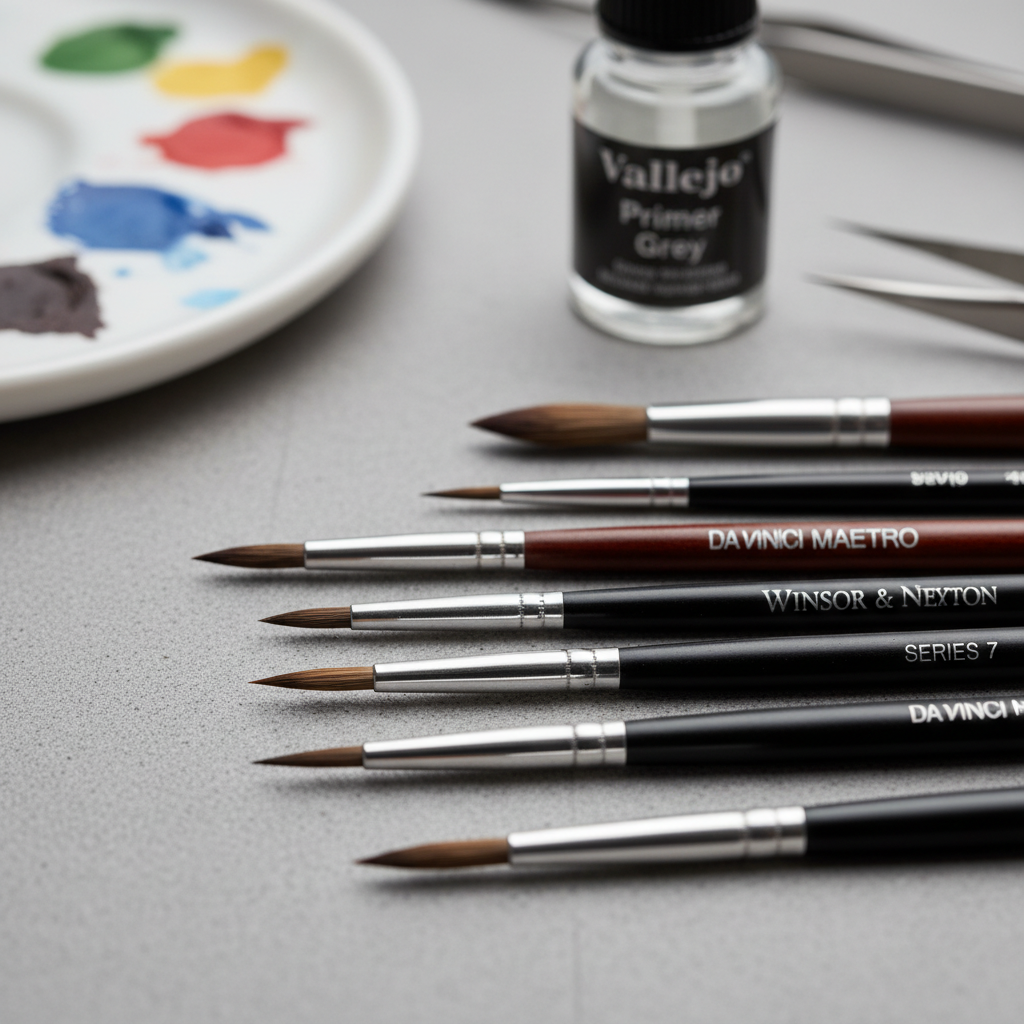
1. Brushes
Role: Brushes are how paint gets on the model. You need a mid-size brush (size 1 or 2) for base coating and a smaller detail brush (size 0 or 00) for fine work.
The Risk: A bad brush sheds hairs and loses its point; you need one that holds a point. Synthetic brushes are fine for starting.
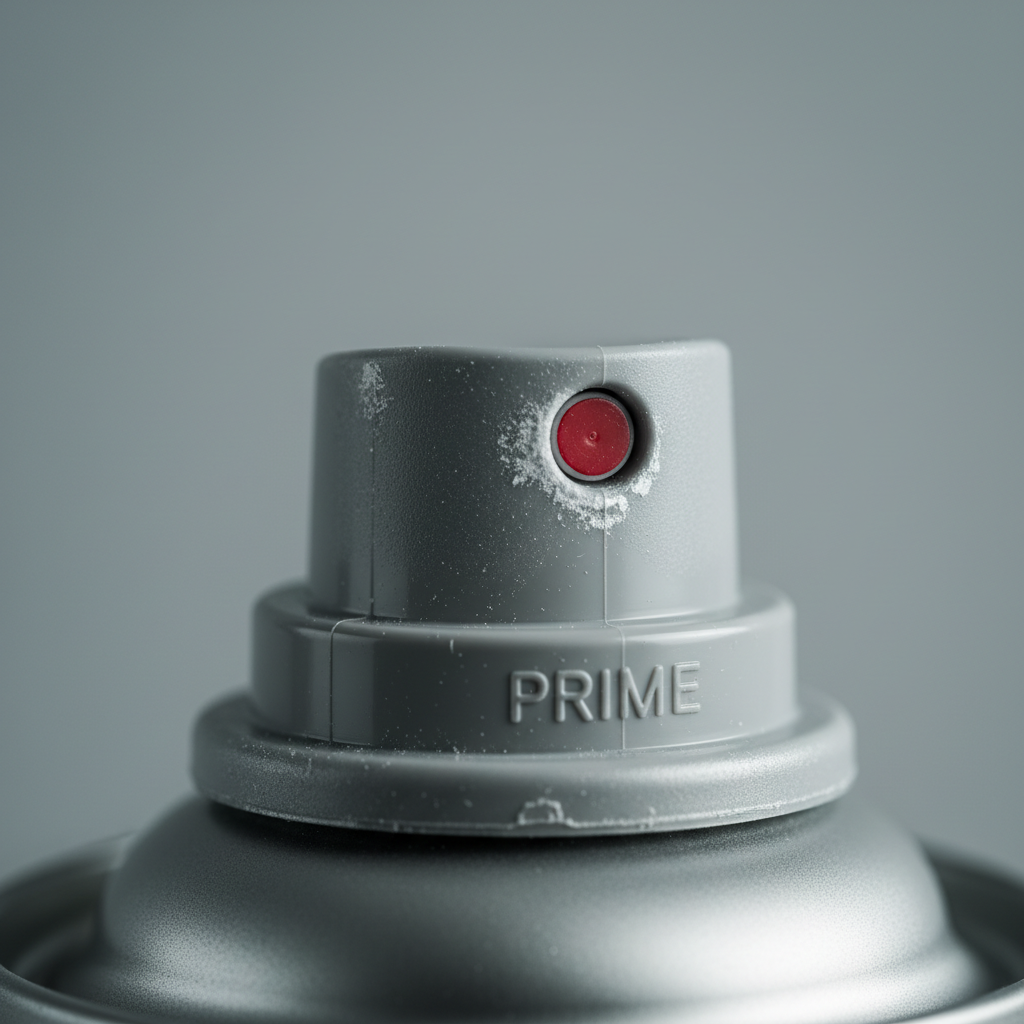
2. Primer
Role: Primer creates a 'tooth' so paint sticks instead of beading off. Without it, acrylic paint flakes at the first touch.
The Risk: Grey spray primer is the most forgiving start for beginners. Skip it and your paint will chip off the moment you handle the model.
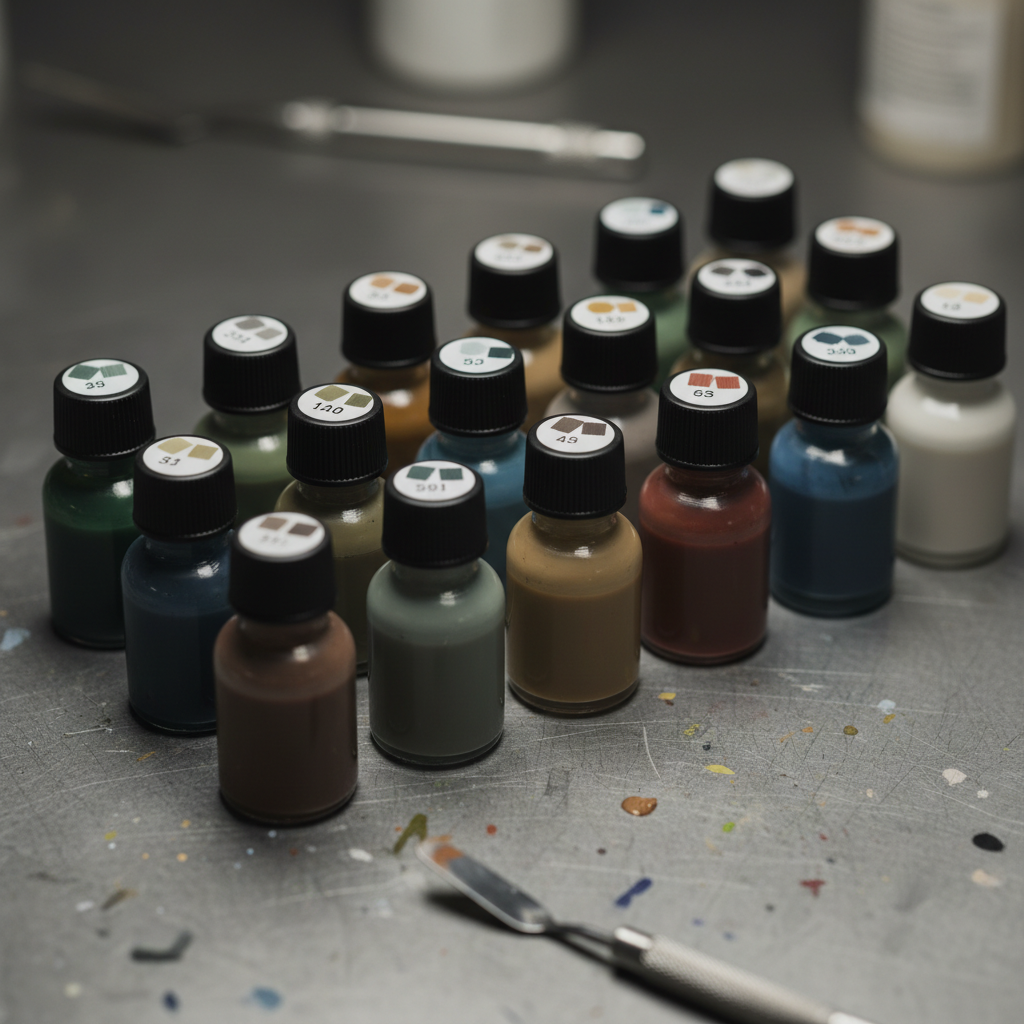
3. Base Paints
Role: These are your opaque layers. They block in main colors in one or two coats.
Recommendation: A starter set of 8 to 12 colors from a purpose-made hobby brand is plenty to begin. You don't need 50 paints yet.
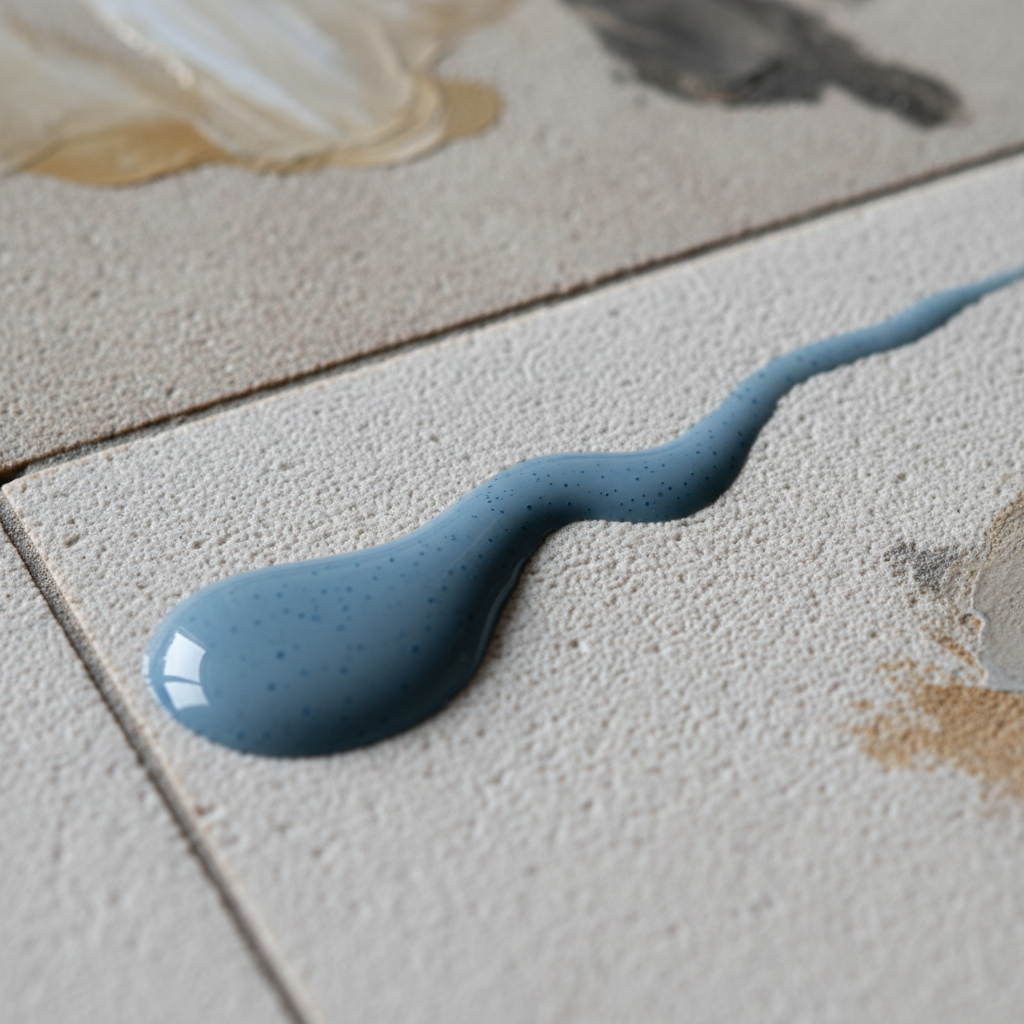
4. Palette
Role: Where you thin and mix paint. Thinning with water gives more control and avoids obscuring detail.
Note: A ceramic tile or plastic lid works perfectly on day one. High-end wet palettes can wait.
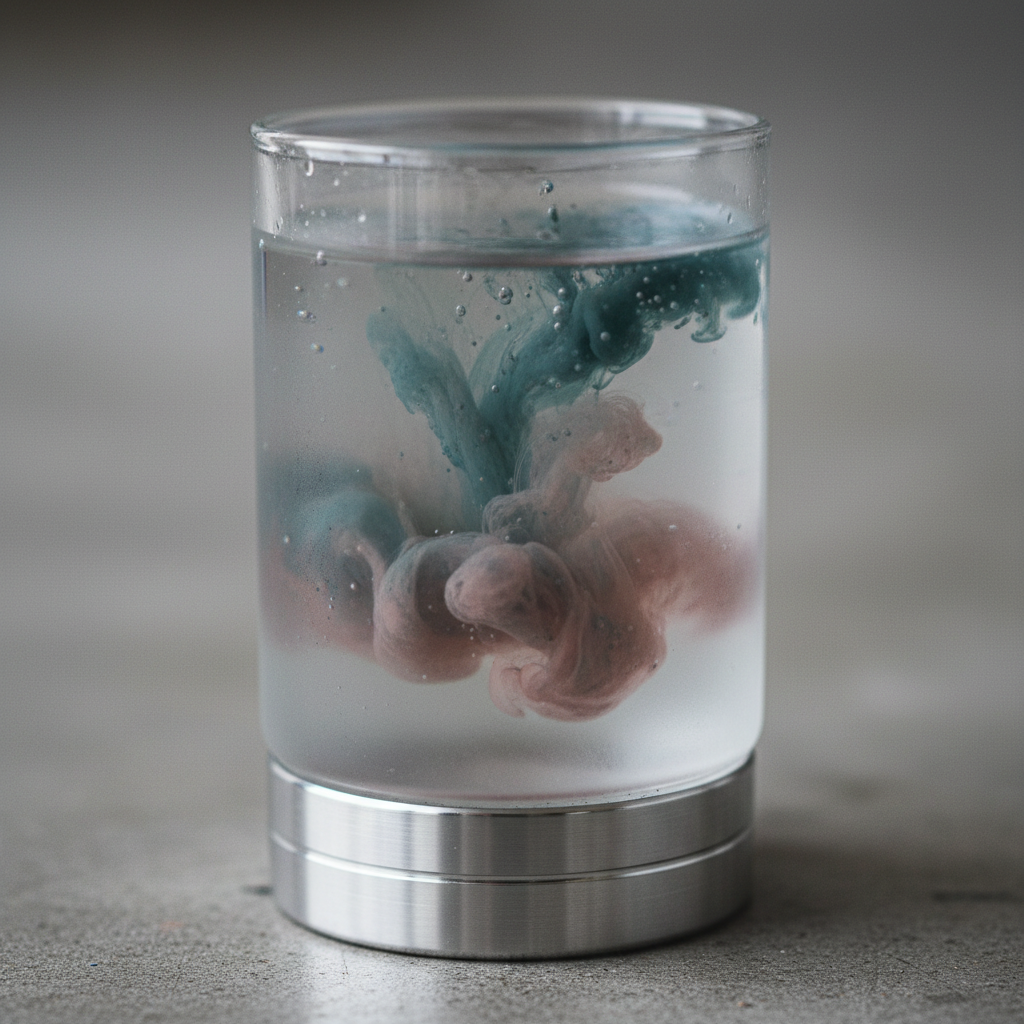
5. Brush Rinse Cup
Role: A cup of water for rinsing between colors. Simple but vital.
The Risk: Skipping this leads to accidental color mixing and ruins bristles faster with dried acrylic.
Questions I Get From Beginners
Q: Are the paints in a beginner kit actually good enough?
Yes. Kits from Vallejo, Citadel, Reaper, or Army Painter are real miniature paints. They thin and layer properly. The limitation is color selection, not quality.
Q: Can a synthetic brush do the job, or do I need an expensive one?
A good synthetic brush handles base coating and washes well. Synthetics fall behind on very fine detail work. Start with synthetics and add one natural-hair detail brush later.
Q: Do I need a wet palette, or will a regular one do?
A regular palette is fine to start. A wet palette keeps paint workable longer, which is useful for blending, but technique matters more than equipment in the first month.
What You Don't Need on Day One
Ready for the Full List?
The Hands-On Hobby Notes miniature painting gear guide goes through every supply category in detail—specific brush names, exact primer brands, and paint sets worth buying. If you want the named products rather than just the categories, that's the place to go.
Frequently Asked Questions
What miniature painting supplies do I need to start?
Five things: brushes (size 1 and 0), primer, base paints, a palette, and a water cup.
What brushes are best for dry brushing miniatures?
A stiff, short-bristled brush. An old synthetic brush works well. Keep it separate from your detail brushes.
Is a Reaper Learn to Paint Kit worth it for beginners?
Yes, it removes the 'did I miss something?' anxiety, though the brushes are entry-level.
What primer should I use?
A grey spray primer is the most forgiving. Apply in light coats.
Do I need a wet palette?
No, a ceramic tile or smooth surface works for day-one painting.
Can I use craft store acrylic paint?
You can, but it's harder. Miniature-specific paints are worth the small extra cost for better thinning and layering.
Start Simple. Add What You Need.
The best first session is the one where you sit down with five things and actually paint something.
The full gear guide is there when you're ready to go deeper.