Warhammer 40K: Lore, Gameplay, and How to Begin

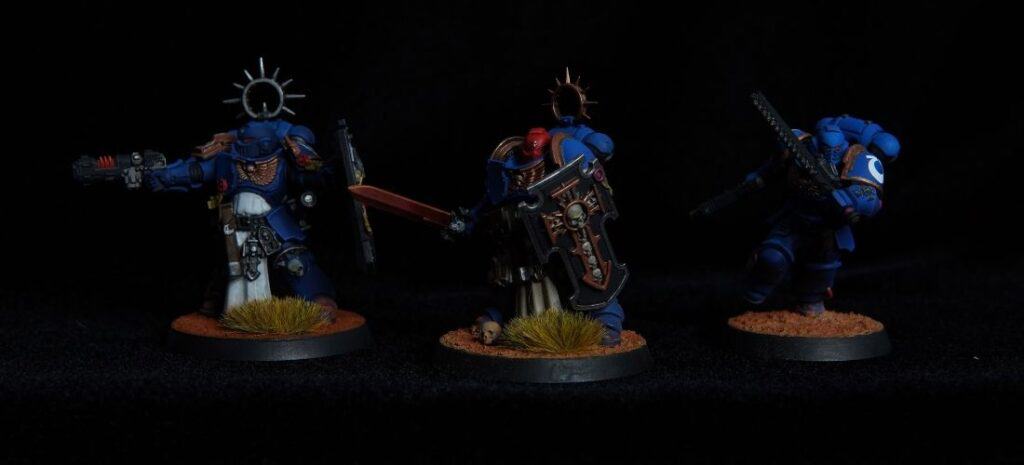
Painted Warhammer 40K miniatures on a dark background, showing assembled and painted Space Marines and Necrons.

Warhammer 40K comes up a lot. It surfaces in conversations about hobby projects, in video game credits, in the back rooms of local game stores. People want to know if it is actually worth getting into — and that question is harder to answer than it looks, because Warhammer 40K is not just a game. It is three hobbies stacked inside one box: a modeling craft, a painting practice, and a strategic tabletop game.

The Lore, the Models, the Tabletop

Warhammer 40,000 is a tabletop miniature wargame published by Games Workshop. It is set in the 41st Millennium — a far-future Gothic science fiction universe where a declining human empire called the Imperium of Man fights on every front against alien races, ancient machine warriors, and the corrupting force of Chaos. The tone is deliberately grim: the tagline "In the 41st Millennium, there is only war" is not irony. It is the premise.
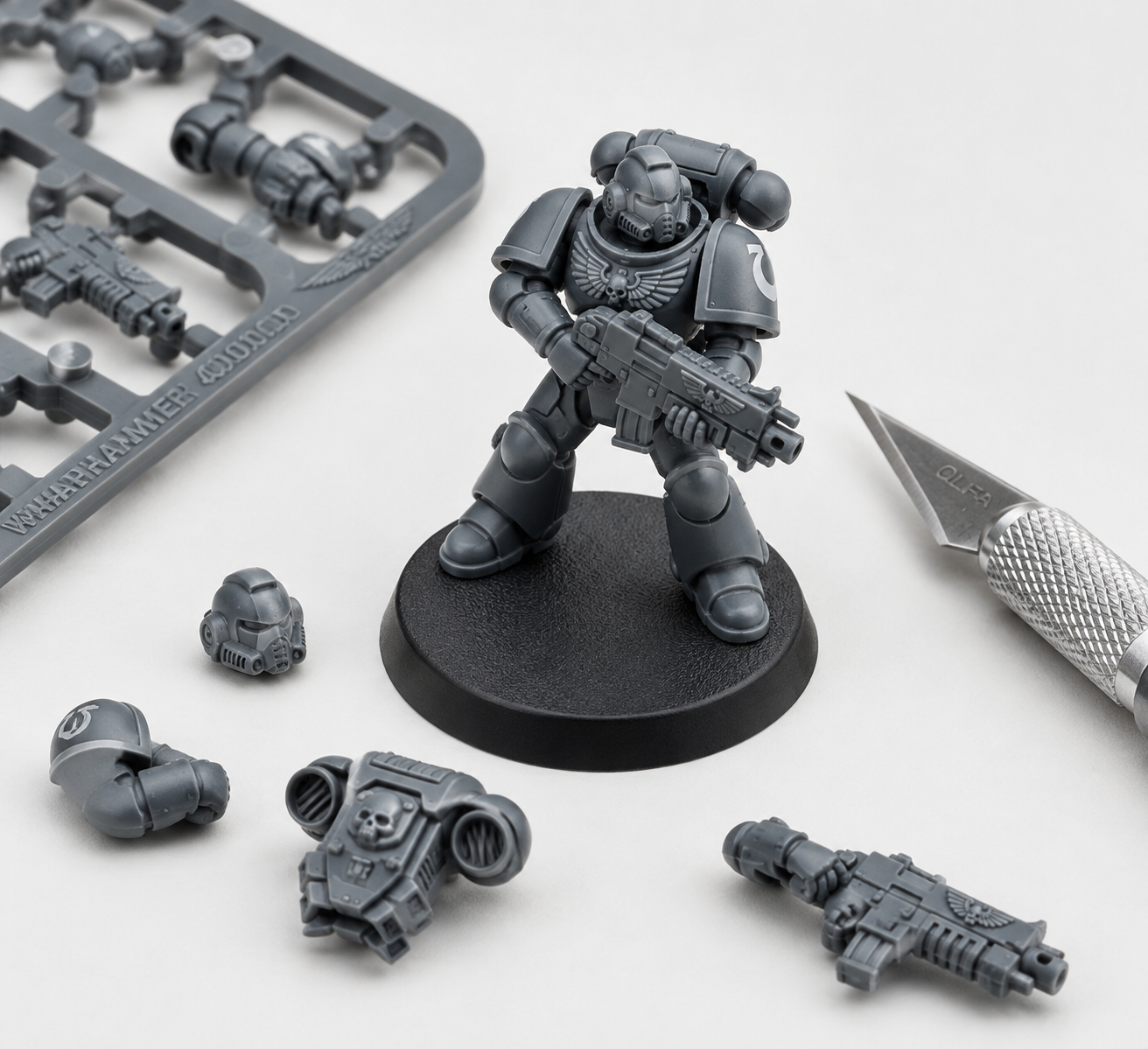
Macro view of a Warhammer miniature assembly on a clean workbench

What makes Warhammer 40K distinct from most other games is that the pieces are not tokens or cardboard standees. They are plastic miniature figures — soldiers, vehicles, creatures, and war machines — that you clip from a sprue, glue together, prime, and paint yourself. The models are the hobby. Many people who play Warhammer 40K spend more time on their workbench than at the game table, and they would not have it any other way.
Three Things That Define the Hobby

01 // Setting

The Universe

Decades of novels, comics, and lore build a detailed setting where every faction and model has a reason to exist.

02 // Craft

The Models

Plastic kits assembled with glue and painted with miniature acrylics. From simple techniques to high-detail artistry.

03 // Social

The Community

One of the most widely played games worldwide, with local game stores and hobby clubs in almost every city.

Move, Shoot, Fight

A game of Warhammer 40K is played on a flat table with terrain — hills, ruins, walls, and obstacles — placed across the battlefield. Each player brings an assembled army and a list that records which units they are using and how many models are in each one.

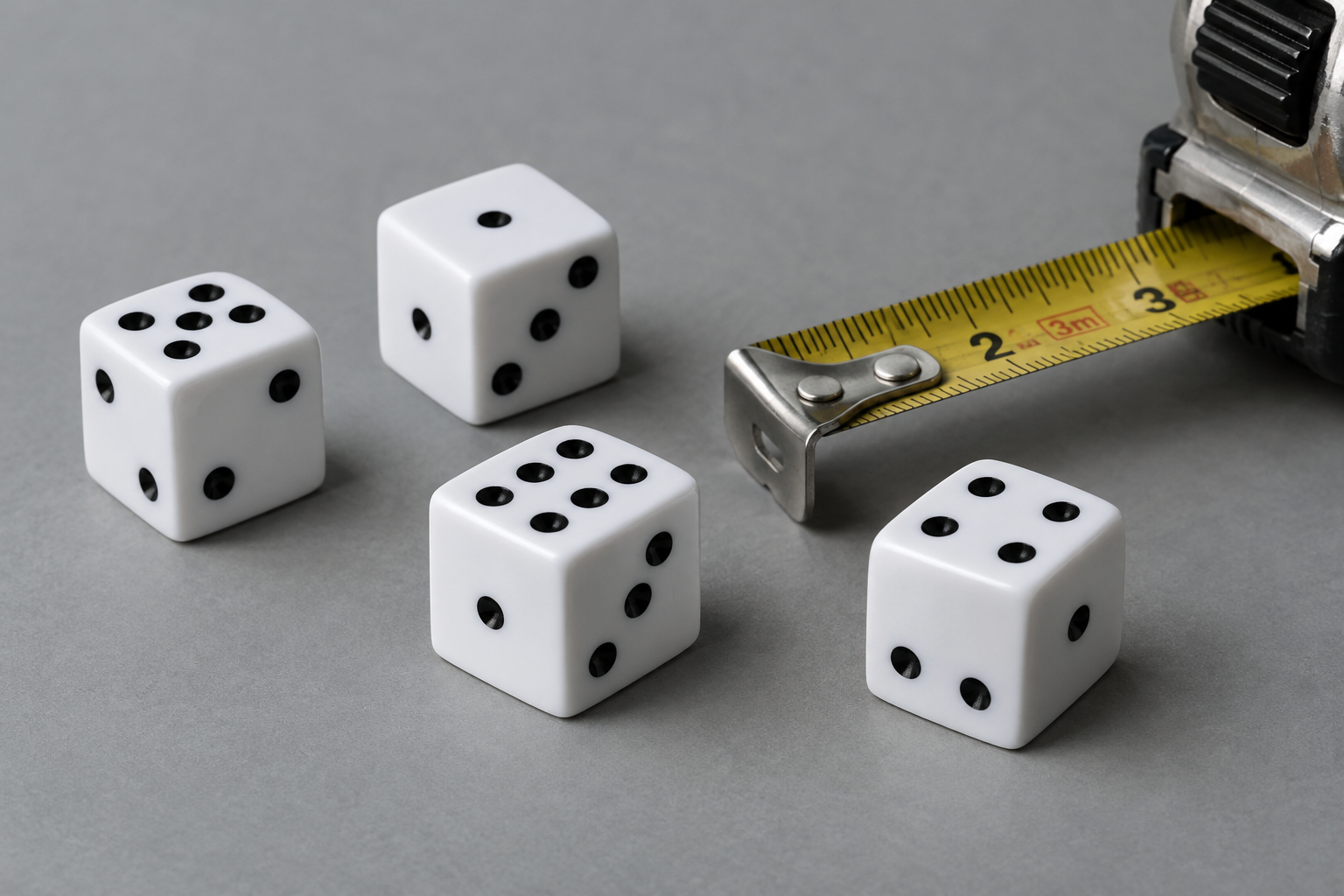
Technical view of game dice and measuring tape

You will also need a tape measure, six-sided dice, and the core rules for the current edition. Most competitive and casual formats use objective markers that score victory points each round. You win by controlling ground over the course of the game, not simply by eliminating the opponent's army.

Phase 01

Command Phase

Players use command abilities, score ongoing effects, and gain command points for tactical stratagems.

Phase 02

Movement Phase

Units move across the table, advancing toward objectives or repositioning for better tactical advantages.

Phase 03

Shooting Phase

Units fire ranged weapons at enemy units. Hits, wounds, and armor saves are resolved with dice rolls.

Phase 04

Charge and Fight

Units move close enough to charge into close combat, resolving melee attacks with more dice rolls.

The Three-Step Entry Path

1

Choose a Faction

Pick an army that matches your style. Space Marines are the most beginner-friendly, followed by Necrons, Orks, and others.

2

Assemble and Prime

Clip models from sprues, glue them together, and apply a base coat of primer to prepare for painting.

3

Find a Game

Visit local game stores or Games Workshop retail locations for free introductory games and demo nights.

The 40K Experience

Warhammer 40K gives you three things at once: a deep fictional universe to collect your way into, a hands-on painting craft to develop at your own pace, and a strategic game to play against other people. The setting pulls you in. The models keep your hands busy. The game brings someone else to the table. Start with one faction, one starter box, and one game — everything else follows from there.

Read more on Hands-On Hobby Notes:

Common Questions About Warhammer 40K

Is Warhammer 40K and Warhammer 40000 the same thing?

Yes. Warhammer 40K is simply a common abbreviation for Warhammer 40,000, the full name of the game. Games Workshop uses both forms in their marketing, and the hobby community uses them interchangeably.

Is Warhammer 40K hard to learn?

The basic rules for a small game are straightforward. New players can run through their first game in an hour or two with the introductory rules included in most starter boxes. The depth comes gradually.

How much does it cost to start Warhammer 40K?

Entry cost varies. Starter boxes that include two small forces cost considerably less than a full army. Many players start with the smallest, cheapest format and expand over time.

Do you have to paint your Warhammer 40K miniatures?

In casual and beginner games, many people play with unpainted models. Official tournament rules typically require a basic "three colors minimum" standard, but it is not enforced in friendly games.

What is the difference between Warhammer 40K and Warhammer Age of Sigmar?

Both are made by Games Workshop. 40K is science fiction set in a far-future universe. Age of Sigmar is high fantasy set in a mythological realm. They use different rules and miniatures.

Ready to discover the world of miniature wargaming?

Learn more about the hobby at Hands-On Hobby Notes. Start with one faction, one starter box, and one game.