How to Thin Paints for Your Airbrush
(andFixItWhenSomethingGoesWrong)
If your airbrush is spitting or clogging, the paint consistency is likely the culprit. Master the 'skim milk' rule and learn which mediums to use for a perfect finish every time.
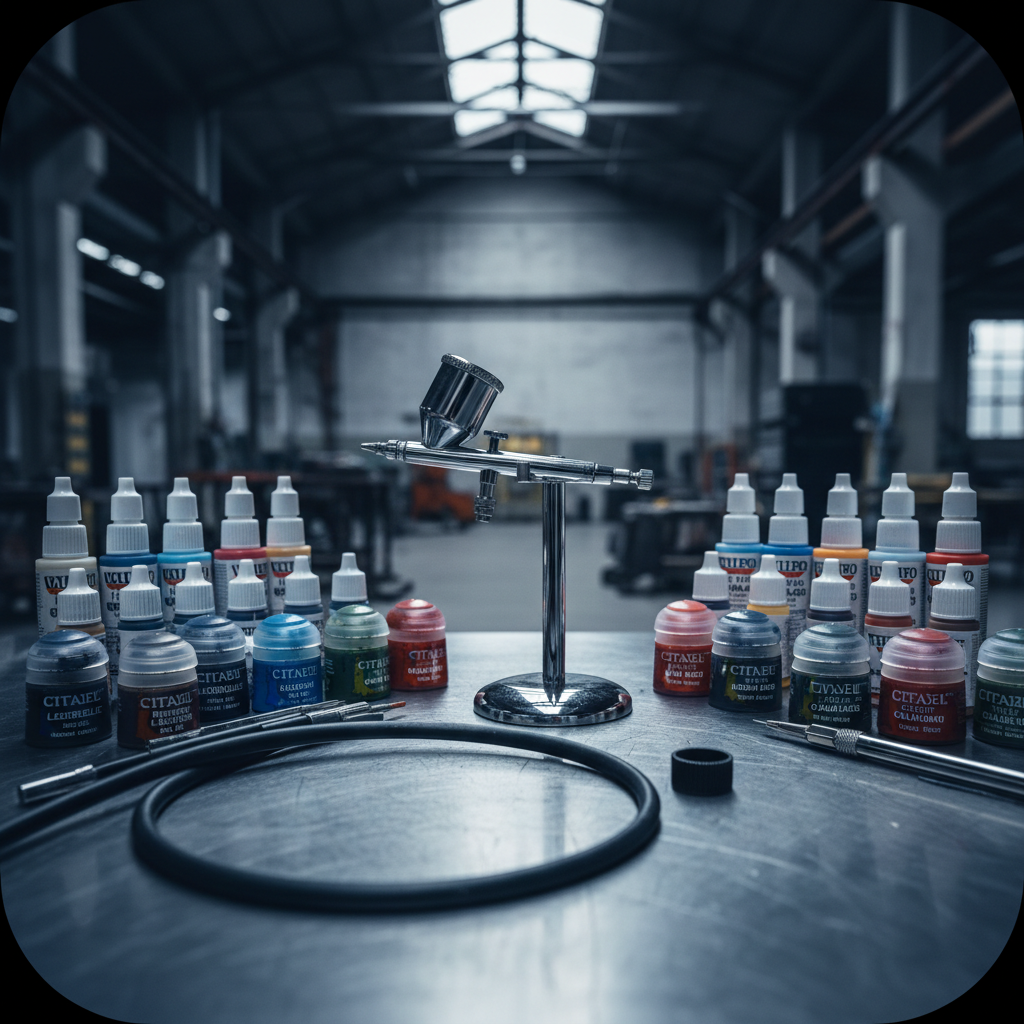
The Secret to Perfect Airbrushing
Getting paint consistency right is the single biggest skill jump for anyone moving from brush painting to airbrushing. It doesn't require expensive tools—just a reliable method for judging viscosity and knowing which medium to reach for.
This guide covers how to thin acrylic paints, how to choose between water, airbrush thinner, and other mediums, and how to work through the most common problems step by step.
Calibration First
Think like an engineer. Calibration is the bridge between art and execution.
Viscosity Control
Master the medium to control the flow. Thinner is often better than thicker.
How to Judge the Right Consistency Before You Spray

The Skim Milk Rule
Thinned paint should have roughly the consistency of skim milk or low-fat cream. It should flow freely off a brush or mixing stick without pooling into a thick bead.
The Drop Test
Place a drop on a non-absorbent surface. Tilt to 45 degrees. Well-thinned paint slides slowly, leaving a faint color trail. Too thick barely moves; too thin runs clear.
For a quick way to dial in your starting point, try our specialized tool.
Access Paint Thinning Ratio CalculatorRatios for Popular Paint Brands
Standard Hobby Acrylics
Citadel, Vallejo Model Color, and similar brands usually need a 1:1 to 1:2 ratio (paint to thinner).
High-Pigment Paints
Heavily pigmented base coats often require more thinning than mid-tones to prevent clogging.
Inks & Contrast Paints
These are often pre-thinned and may require little to no additional medium to spray effectively.
Distilled Water, Airbrush Thinner, or Alcohol: Which One to Use?
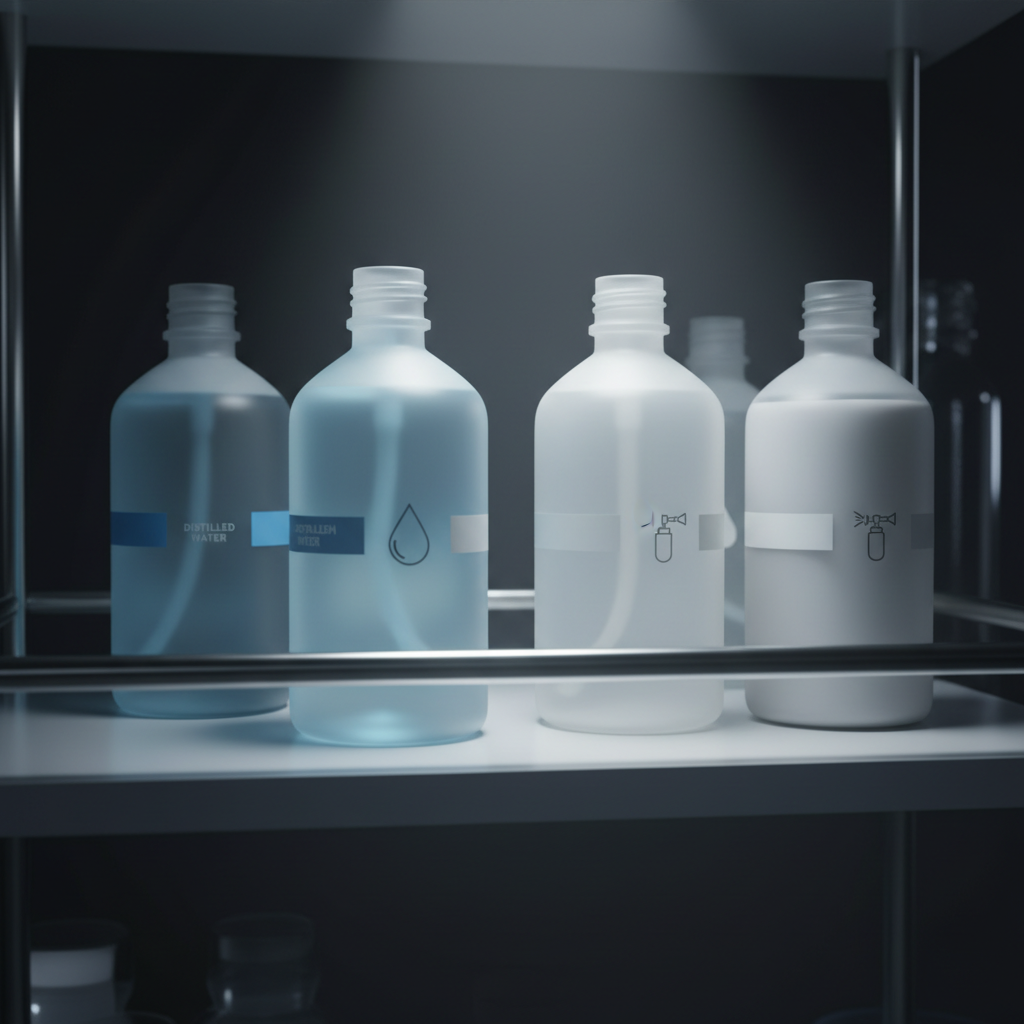
Distilled Water
The most accessible option. It works well for general coats, but avoid tap water as minerals can affect adhesion. Note that water can slow drying times and reduce paint 'grip' at high dilutions.
Dedicated Airbrush Thinners
Products like Vallejo Thinner or Citadel Lahmian Medium contain surfactants and retarders. They thin the paint without stripping the binders, offering much more consistent results than plain water.
Isopropyl Alcohol (IPA)
Best for Tamiya acrylics and lacquer-adjacent formulas. Use caution with standard water-based acrylics like Vallejo, as high concentrations can cause the paint to curdle and clog your nozzle.
Advanced Additives & Troubleshooting
Flow Improver
Reduces surface tension to stop 'tip dry' and improve spray patterns. Use only a few drops.
Scenario: Long sessionsRetarder Medium
Slows drying time significantly, perfect for preventing clogs in hot or dry climates.
Scenario: Fine detail workFixing Spitting
If your brush spatters, the paint is likely too thick or there is a build-up on the needle tip.
Problem: Troubleshooting flowMaster the Art of the Airbrush
Ready to level up your miniature painting?
Join thousands of scale modelers mastering the craft with our expert-led guides.