All Posts
Browse all blog posts
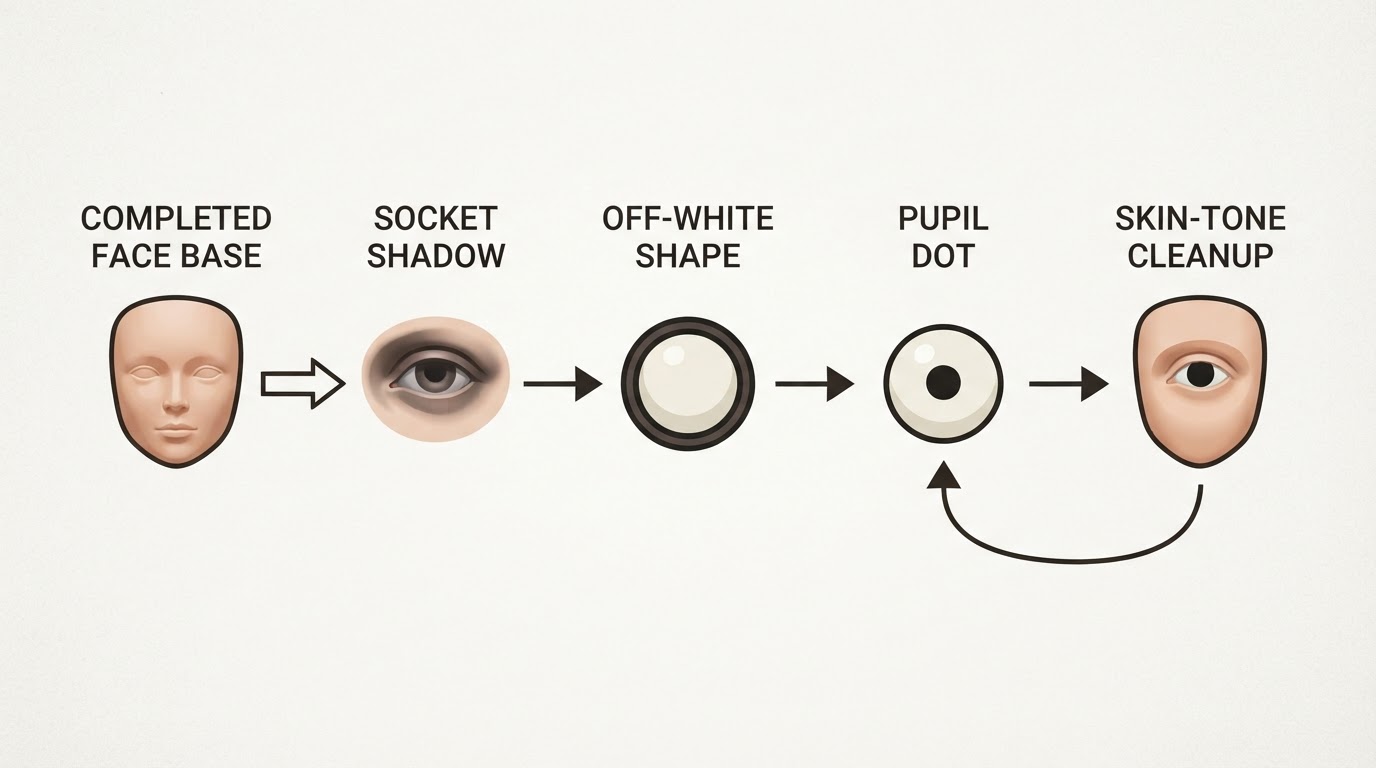
How to Paint Miniature Eyes Without the Cross-Eyed Look
Paint 28-32 mm miniature eyes without the cross-eyed look: off-white instead of pure white, one pupil dot per eye placed against the upper lid, a skin-tone cleanup, and a repaint method for eyes that drift.
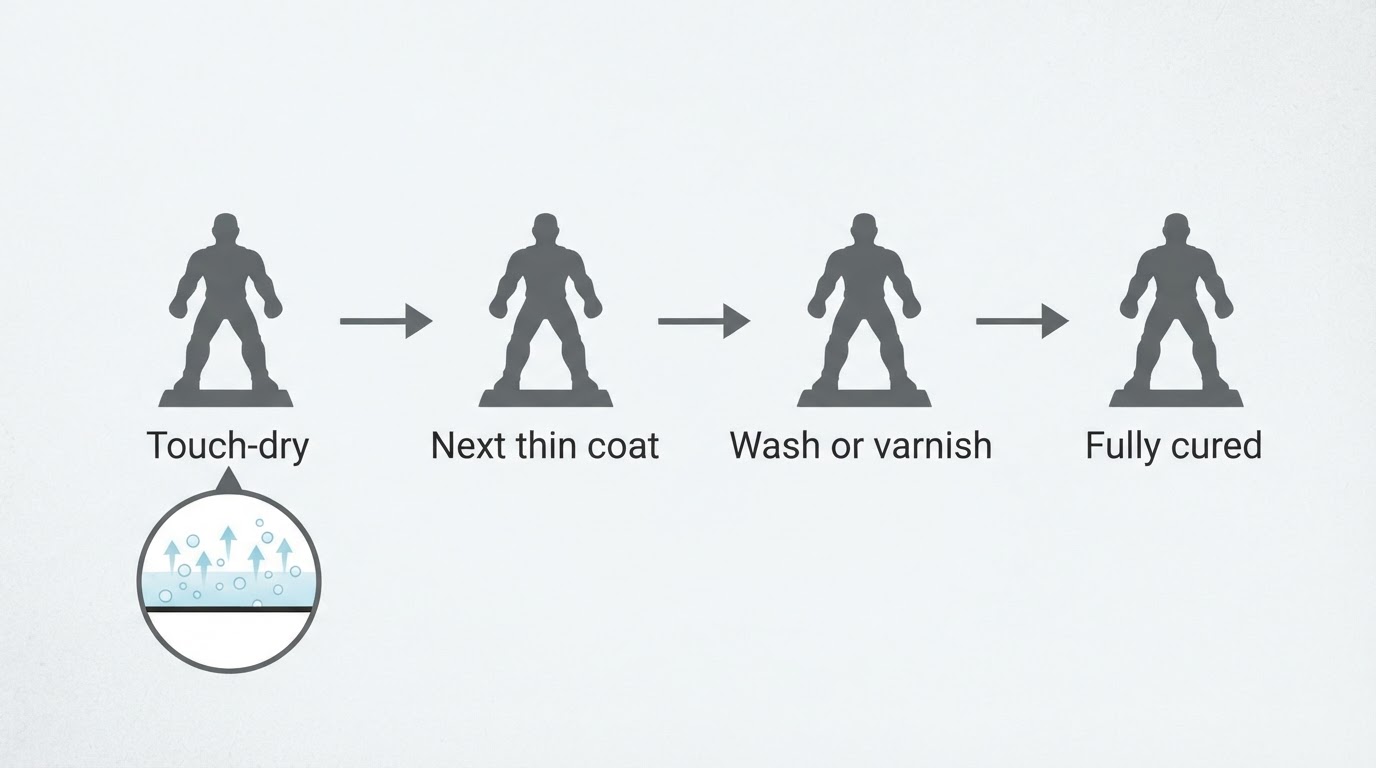
How Long Does Miniature Paint Take to Dry Between Coats?
Miniature paint has no universal drying time: a thin acrylic coat can be touch-dry in minutes, so check the maker's recoat window and test a scrap piece first.
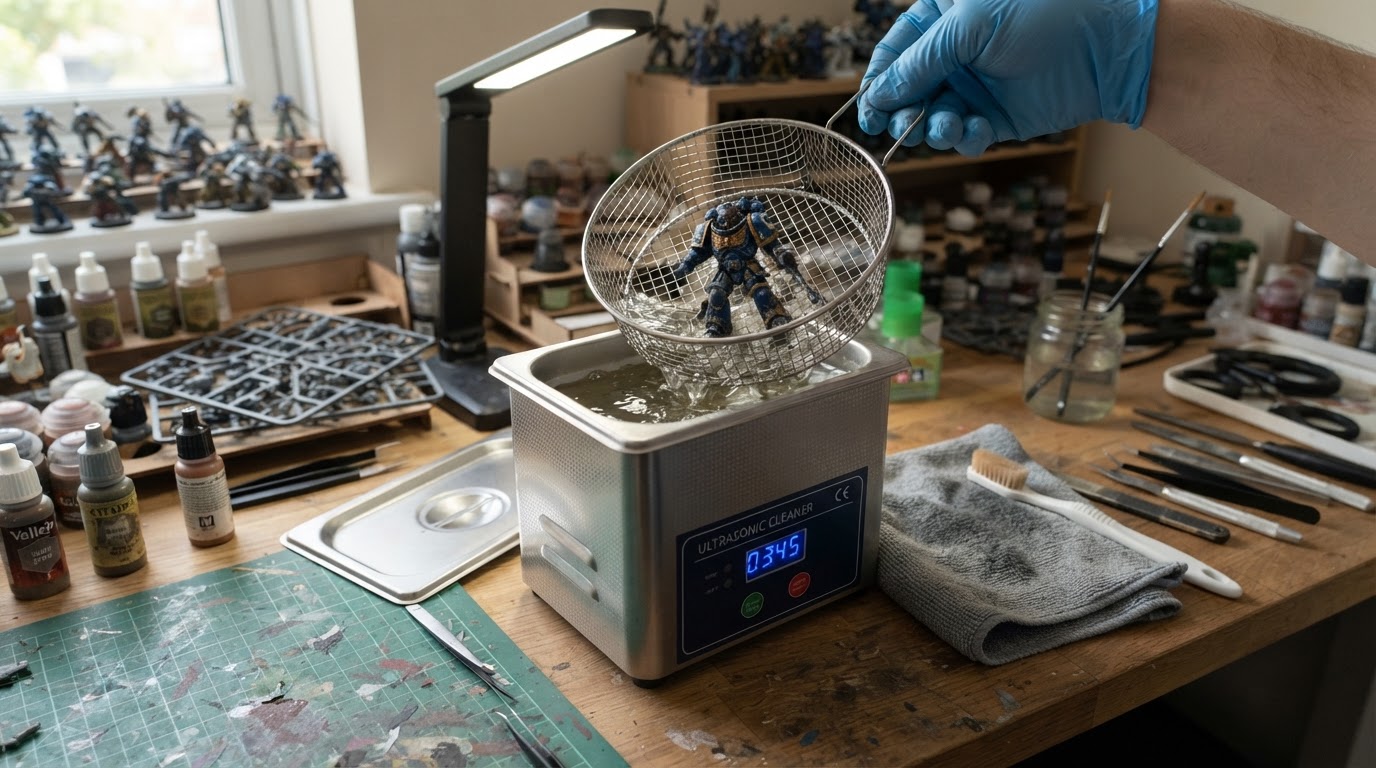
Ultrasonic Cleaner for Stripping Miniature Paint: Material and Safety Limits
An ultrasonic cleaner may help lift loose paint, but it is not a universal stripping method. Compare miniature materials, machine-liquid restrictions, safer alternatives and stop signs before testing a spare part.
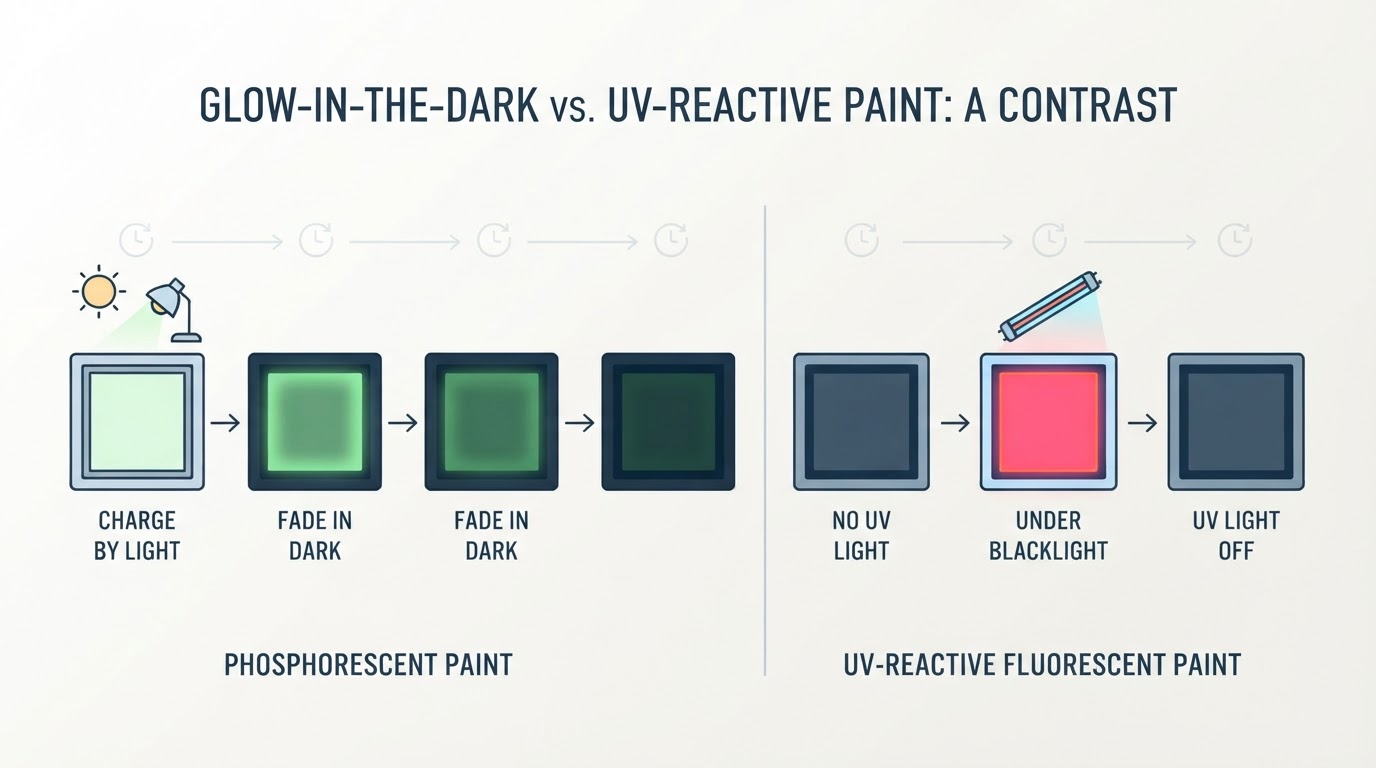
Glow-in-the-Dark Miniature Paint: Glow vs Fluorescence and a Safe Painting Workflow
Phosphorescent glow paint and UV-reactive fluorescent paint do different jobs on a miniature. Compare both, test a spare part, and choose the right highlight.
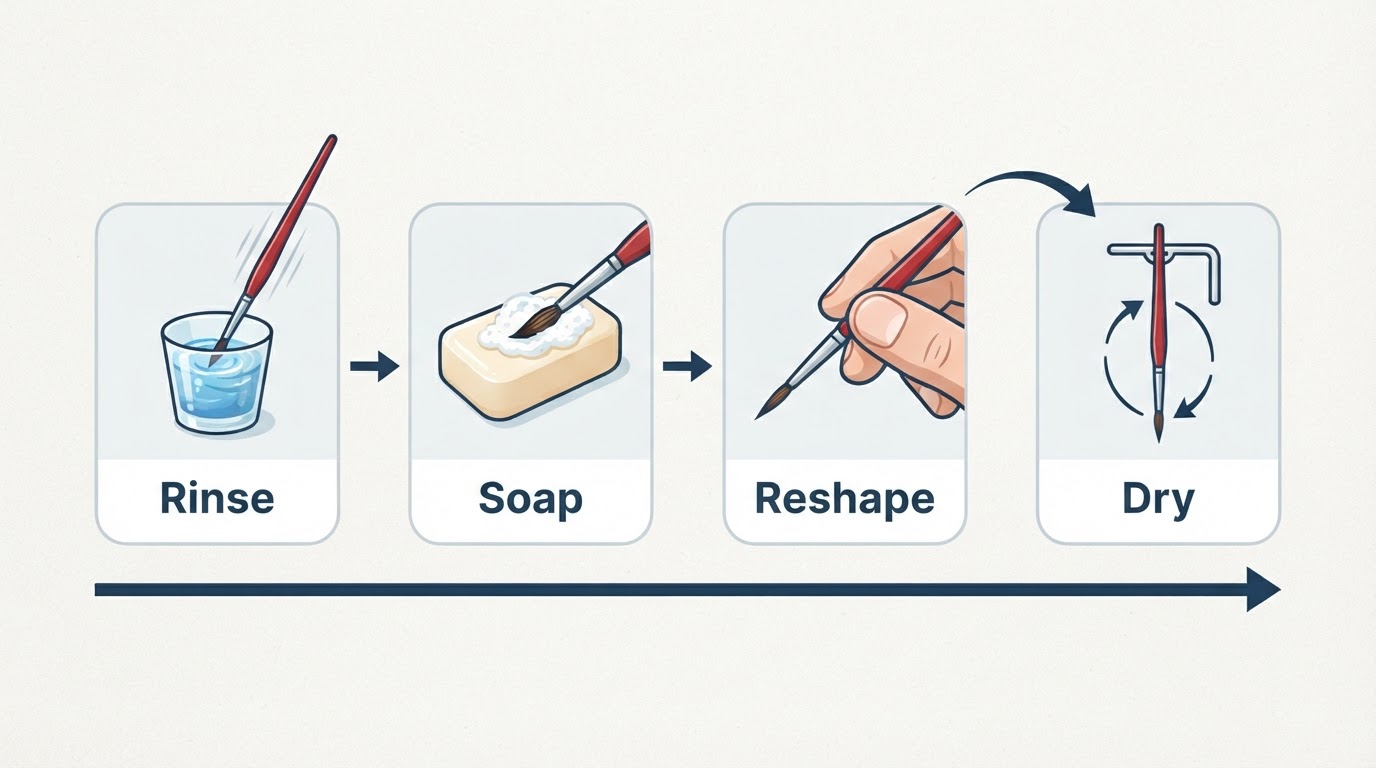
How to Clean Miniature Paint Brushes Without Damaging the Point
How to clean miniature paint brushes after water-based acrylics: immediate rinse, mild soap, thorough rinsing, safe reshaping and drying, plus dried-paint recovery that protects the point.
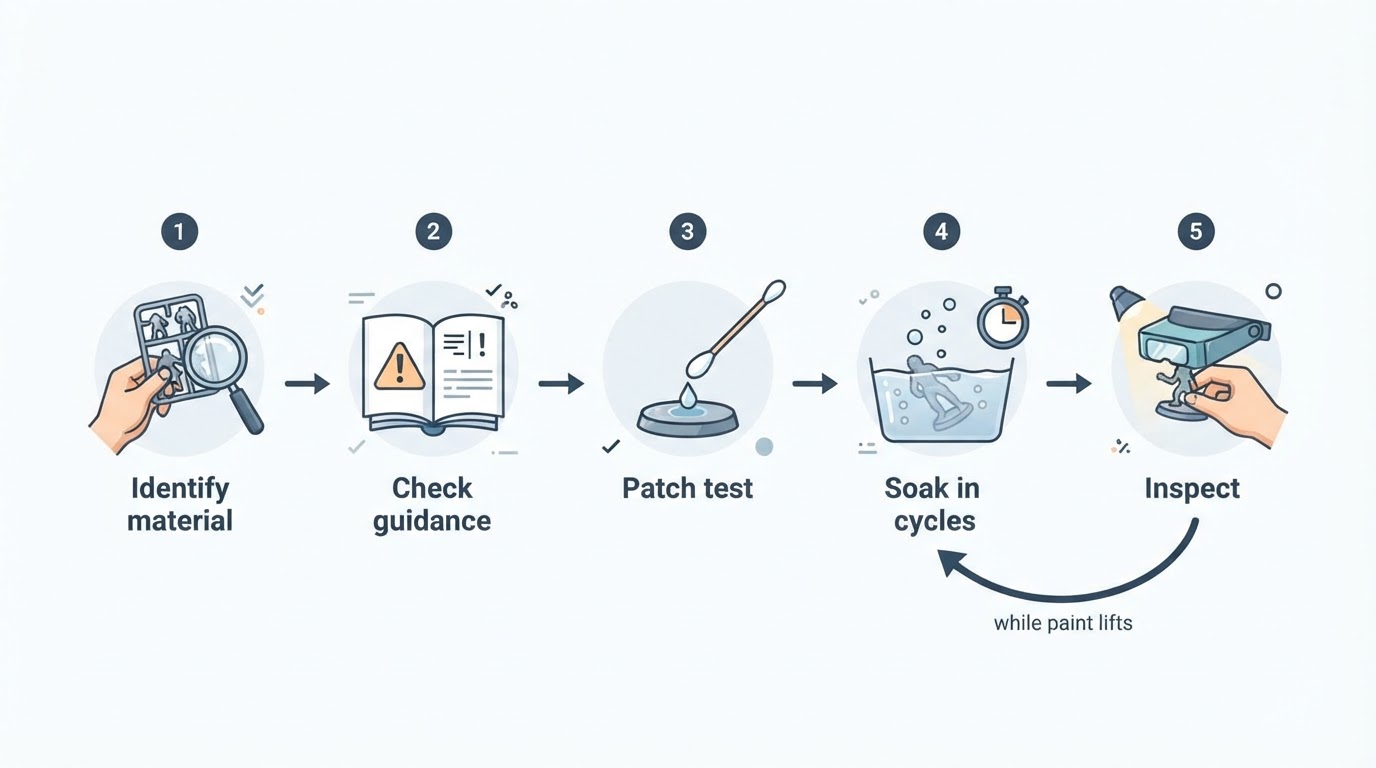
Isopropyl Alcohol on Resin Miniatures: Paint-Stripping Risks and Checks
Isopropyl alcohol can strip paint from resin miniatures and damage the wrong material. Identify the resin, check the maker's guidance, patch test a hidden area, and soak in short cycles.
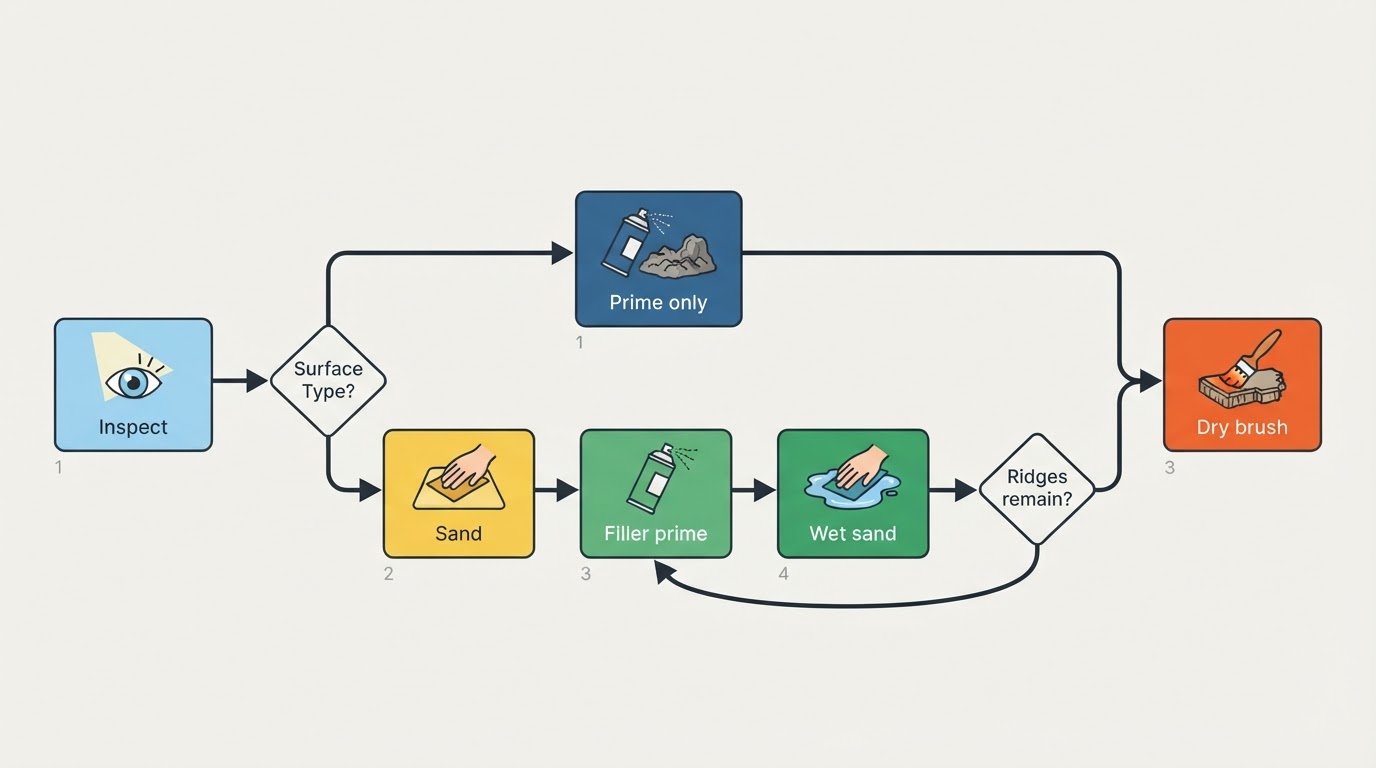
Dry Brushing 3D Prints: Layer Lines, Primer and Paint Control
Sand and filler-prime FDM surfaces first: dry brushing catches raised layer ridges, so prep decides whether you get usable texture or visible stair-stepping.
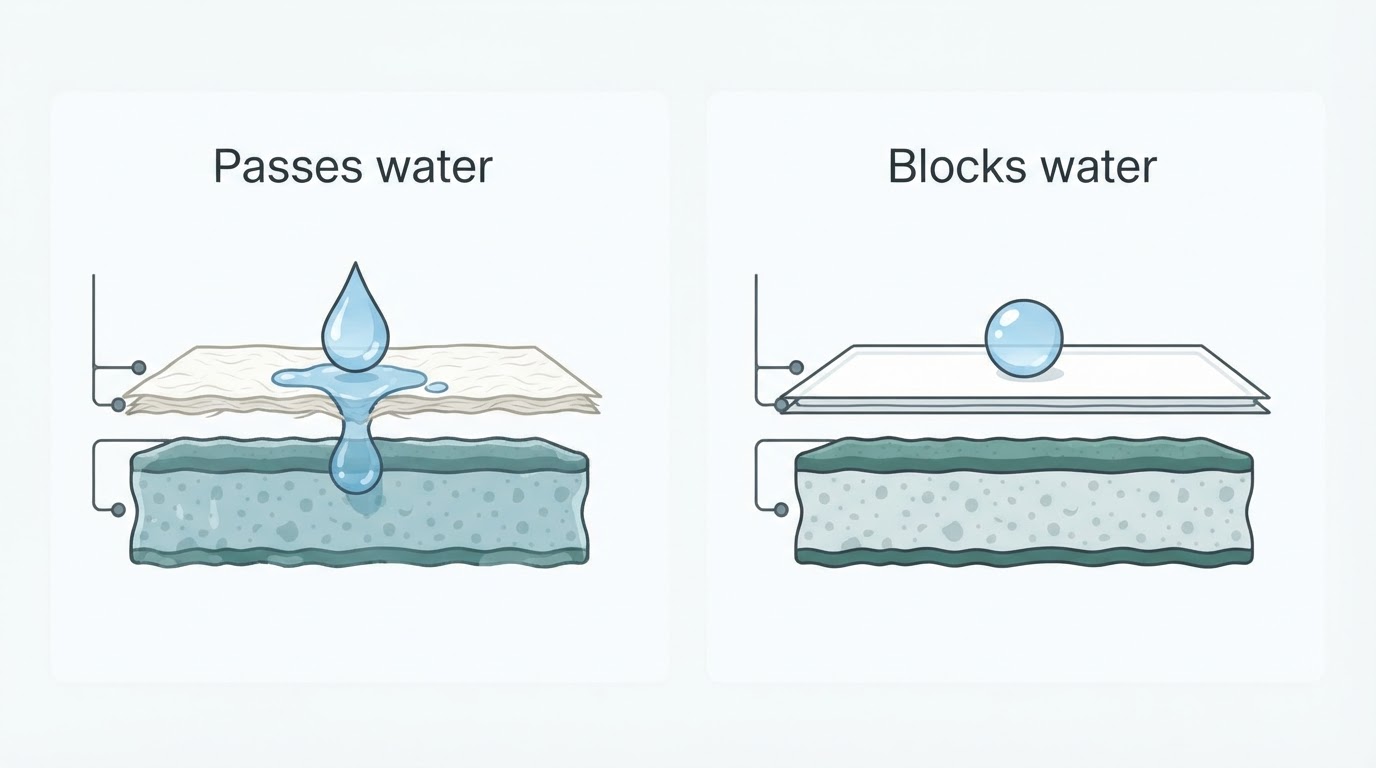
Wet Palette Without Parchment Paper: What Can You Use?
Purpose-made palette paper is the reliable swap for parchment, and a quick water-transfer test tells you whether kitchen paper works. See what fails and how to set it up.
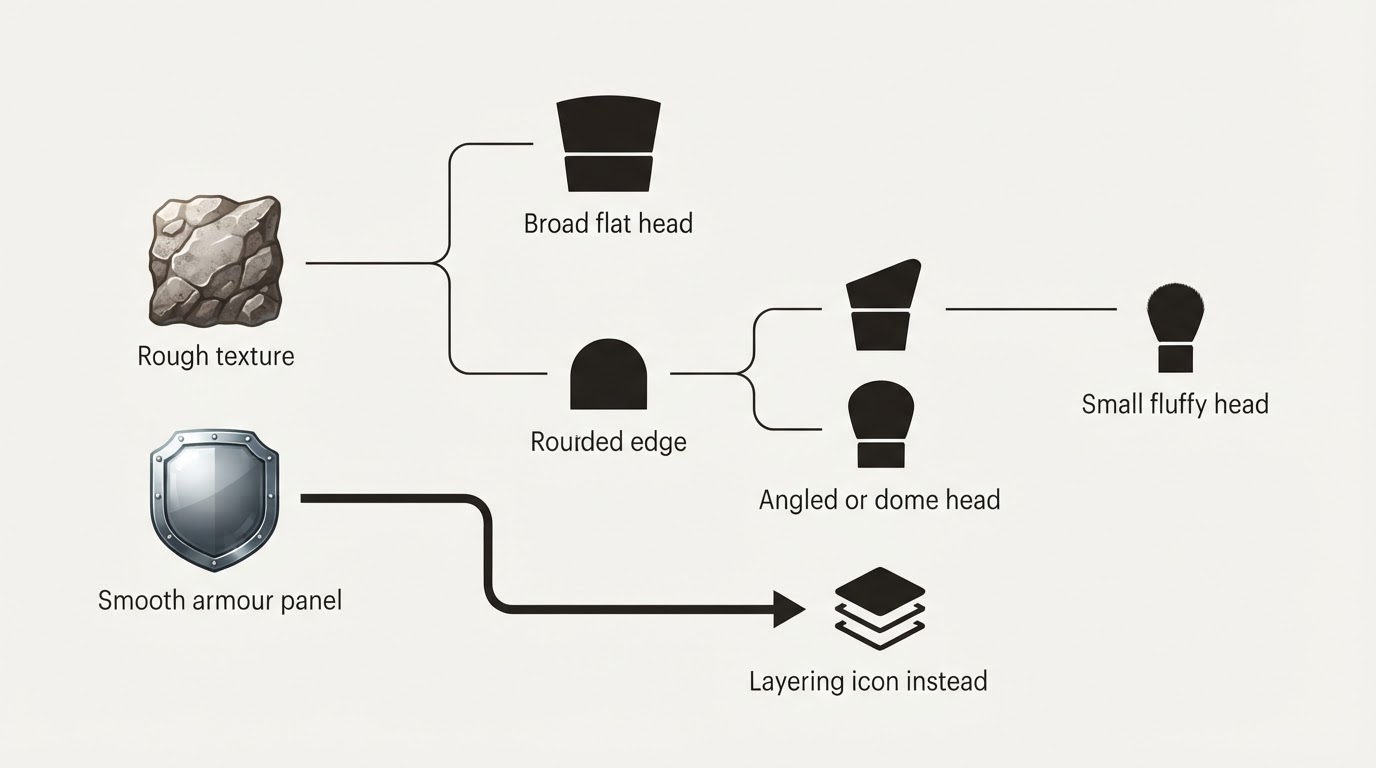
Makeup Brushes for Drybrushing Miniatures: Shape, Cleaning and Control
How to use makeup brushes for drybrushing miniatures: match bristle stiffness and head shape, unload the right amount of acrylic paint, run a test pass on scrap, and clean the bristles before they set hard.